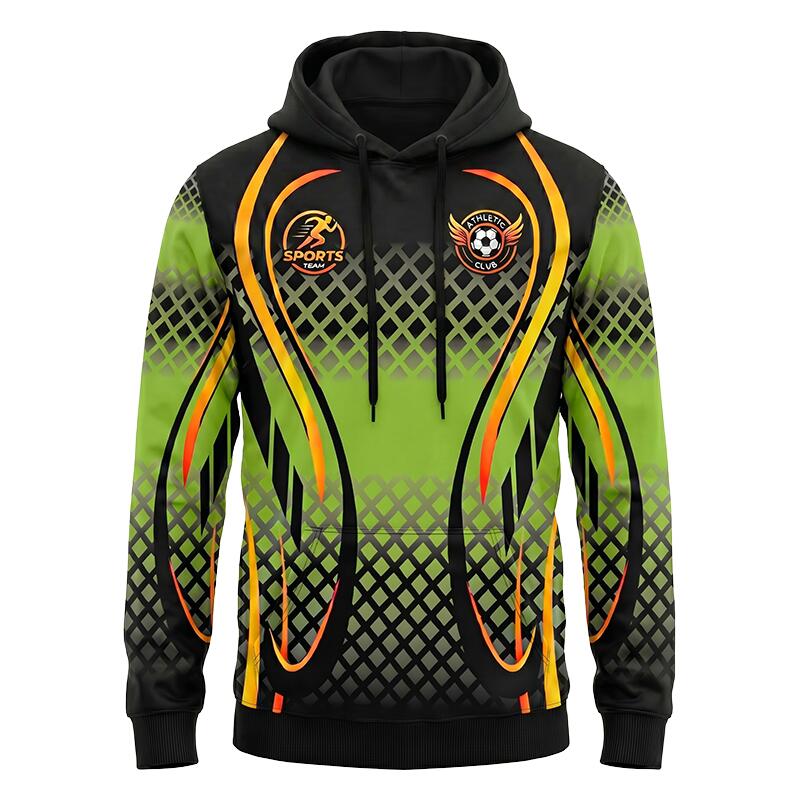
How Dye Sublimation Printing Works
The dye sublimation process involves several precise stages:
Printing onto Transfer Paper
The design is first printed in reverse onto specialised sublimation transfer paper using sublimation inks.
Heat Transfer Process
The printed paper is placed onto the garment or substrate and subjected to high heat and pressure using a heat press. At temperatures around 190–205°C, the dye sublimates—changing directly from a solid to a gas.
Permanent Dye Bonding
The gaseous dye penetrates the polyester fibres and solidifies as it cools, becoming a permanent part of the fabric rather than a surface layer.
This process ensures long-lasting, high-quality results with consistent colour reproduction.
Key Features of Dye Sublimation
- Permanent, fade-resistant prints
Because the dye bonds at a molecular level, prints remain vibrant even after repeated washing and heavy use.
- No added texture
Sublimated designs have no hand feel, maintaining the original softness and breathability of the fabric.
- Unlimited colour and detail
Full-colour artwork, gradients, and photographic images can be reproduced without limitations.
- Edge-to-edge printing
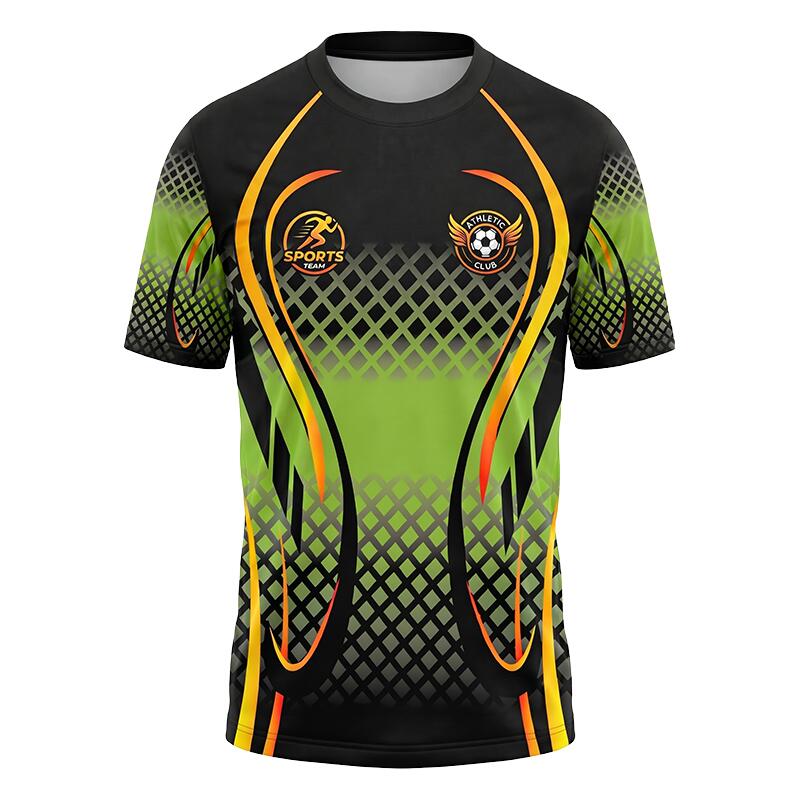
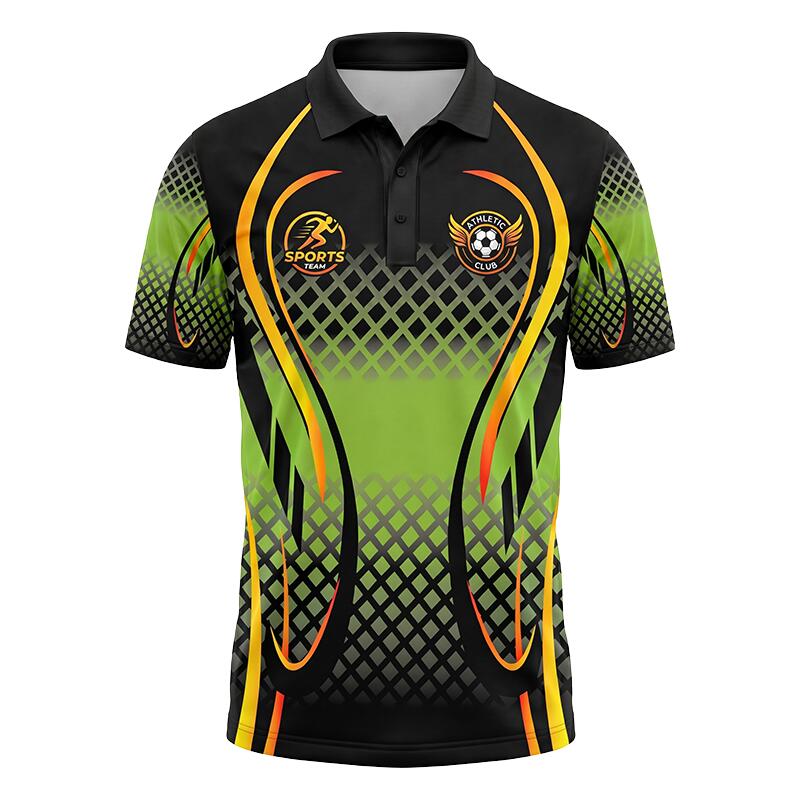
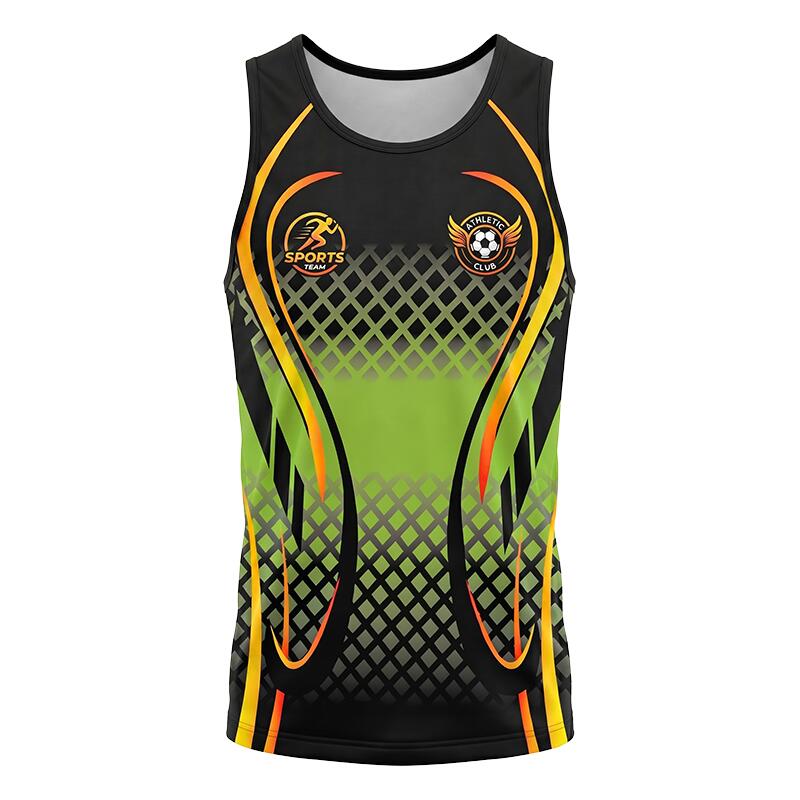
Ideal for all-over prints and seamless designs, particularly in sports and promotional apparel.
Benefits for Australian Businesses
Dye sublimation offers strong advantages for businesses and organisations across Australia:
- Exceptional durability
Perfect for uniforms and sportswear exposed to frequent washing, sun, and physical activity.
- Professional appearance
Colours appear sharp and vibrant, even on complex designs.
- Breathable performance garments
Since there is no ink layer, airflow and moisture-wicking properties of polyester garments remain intact.
- Cost efficiency for custom runs
Particularly effective for short to medium runs where full-colour consistency is required across every garment.
Suitable Fabrics and Materials
Dye sublimation is only suitable for polyester or polyester-coated products. Common applications include:
- Polyester t-shirts and polos
- Activewear and team sports uniforms
- Hi-vis and performance workwear
- Soft signage and banners
- Polymer-coated promotional items (mugs, drink bottles, mouse pads)
For best results, garments should be white or light-coloured, as sublimation inks are transparent and do not print white.
Common Use Cases
Dye sublimation is widely used in:
- Custom sports uniforms and teamwear
- Corporate event apparel
- Promotional clothing with all-over designs
- School and club uniforms
- Branded activewear ranges
It is especially popular in Australia’s sports, fitness, and outdoor industries where performance and durability are critical.
Dye Sublimation vs Other Printing Methods
Compared to DTG or screen printing, dye sublimation offers superior durability and zero texture but is limited to polyester fabrics. While DTG is better suited to cotton garments and small designs, sublimation excels in full-coverage, high-wear applications.
Is Dye Sublimation Right for Your Project?
Dye sublimation is the ideal choice when long-term durability, vibrant colour, and professional finish are essential. For Australian businesses seeking high-performance custom apparel that withstands demanding conditions, dye sublimation remains one of the most reliable and visually impressive printing methods available.